QBurst partnered with a prominent retailer to build a client-specific enterprise design system in Figma that streamlined buyer and merchandising applications, accelerated feature delivery, and eliminated design debt.
The client is a major US retail supermarket chain operating an extensive network of discount grocery locations, supported by complex internal buyer portals and merchandising management software.
The client's internal buyer and merchandising tools suffered from severe UI fragmentation and design debt caused by independent team builds. This forced teams to spend 25–30% of their effort and 3–5 weeks per project on redundant design and engineering rework.
QBurst built a governed, scalable design foundation to unify the client’s enterprise applications.
A leading US-based discount closeout retailer with supermarkets that offer discounted, overstocked, and closeout products from name-brand and private-label suppliers.
As internal tools evolved, disparate product teams introduced uncoordinated UI patterns across critical operations like vendor pricing, inventory, and purchase orders.
Inconsistent User Experience: Lack of a shared visual language led to cluttered interfaces, dense unstandardized tables, and mismatched interaction patterns.
Redundant Design and Engineering Effort: Similar UI elements were designed and built multiple times, consuming valuable sprint hours on solved problems.
High QA Overhead: Quality assurance teams spent excessive time identifying visual inconsistencies prior to release, delaying launch dates.
Friction in Design-to-Dev Handoff: Engineers frequently required back-and-forth clarification due to missing design standards and static spec handoffs.
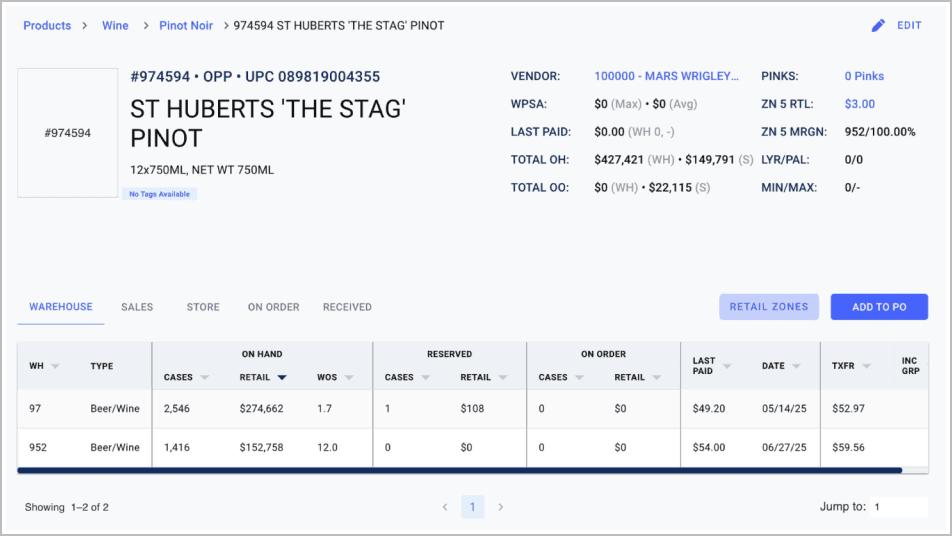
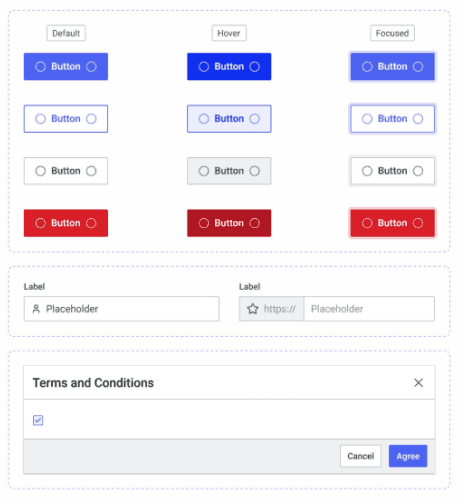
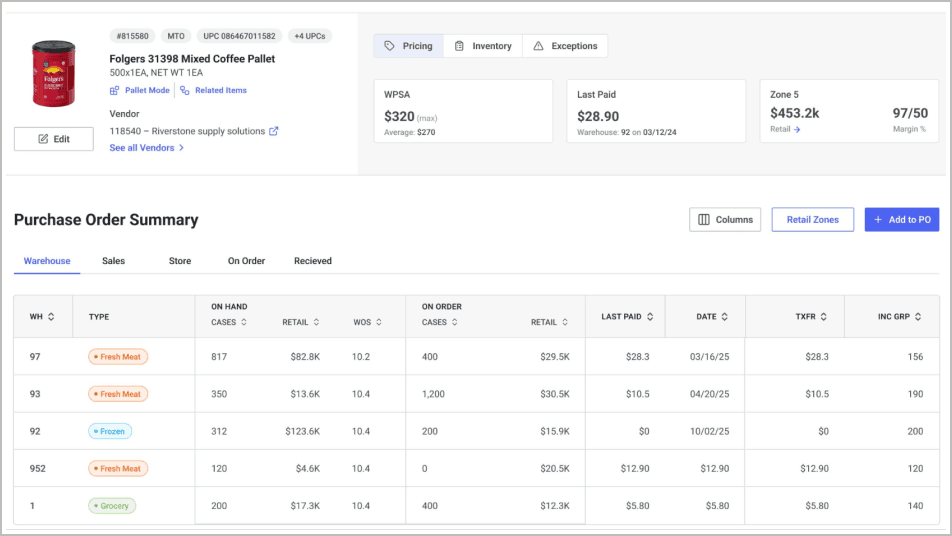
We co-created a client-specific design system in Figma, establishing a governed, scalable single source of truth that aligns product, design, and engineering teams. Five Figma capabilities did the core of the work.
The successful platform rollout also paved the way for token-to-code automation, with engineering initiating work to sync Figma Variables directly into front-end codebases and extend the single source of truth into development.
Client Profile
Challenges
Solution
Technical Highlights
Impact