
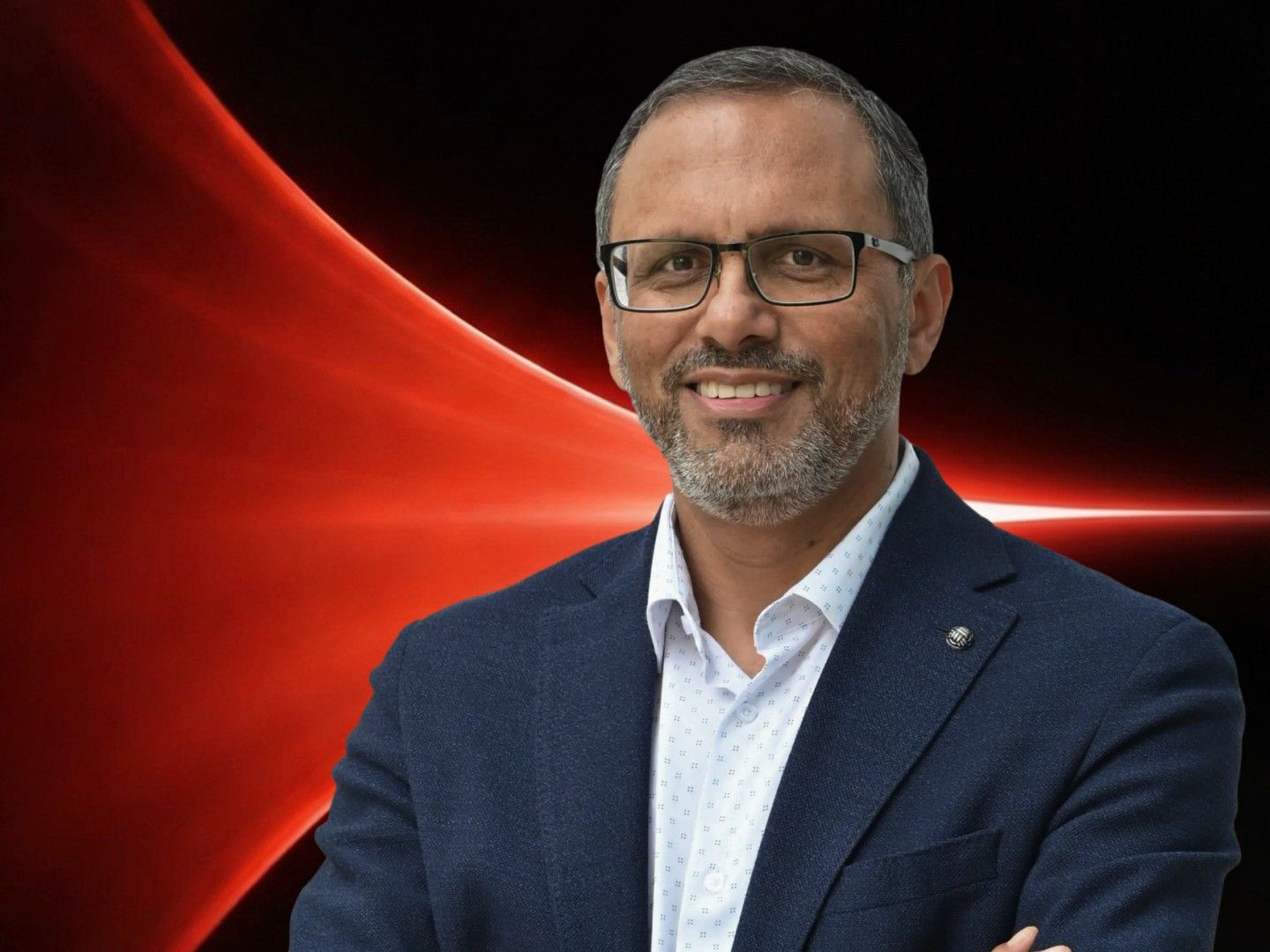
In a recent Silicon Valleys Journal piece, QBurst CEO Arun ‘Rak’ Ramchandran makes a simple but important point: better AI models aren’t the main problem anymore, better experiences are.
As AI systems become more generative and less predictable, the real challenge is how people interact with them. When users don’t understand what the system is doing, trust breaks down fast.
What Human-Centric AI Actually Means
Rak argues that trust starts with visibility. Instead of black-box outputs, AI should show how it’s arriving at answers, or at least give users a way to follow the logic.
He also pushes beyond the idea of “easy to use.” Good AI UX isn’t just smooth—it’s steerable. Users should be able to nudge, refine, and course-correct outputs, turning the interaction into a back-and-forth rather than a one-shot response.
Another key principle Rak highlights is the importance of clearly communicating limitations. When AI systems define what they can and cannot do, users are better positioned to stay in control. Without this clarity, they may either place undue trust in the system or disengage altogether.
From Principles to Practice
Rak points to QBurst’s internal approach, including its High AI-Q framework and a Prototyping as a Service (PaaS) model, as a way to test and refine these ideas in practice. The aim isn’t just smarter AI, but systems that are clearer, more collaborative, and easier to work with from the start.